
The team appreciate social casino gaming, but we know that not everyone in the UK enjoys high‑speed fibre chumba.uk.com. From the Scottish Highlands to coastal Cornwall, unreliable broadband is a everyday truth. So we decided to put Chumba Casino through its paces on a artificially limited connection, simulating the type of slow, laggy network that countless Brits experience. The result surprised us: Chumba Casino’s lightweight architecture and intelligent content delivery offered a much smoother ride than we expected. Let me share every hiccup, each loading pause, and every winning spin we went through while using a link that would make typical gambling platforms to crumble.
Setting the Scene: Our Test Configuration and UK Broadband Conditions
To begin, a brief examination at the broadband reality we’re up against. Per Ofcom’s most recent reports, around 8% of UK households yet struggle to get speeds exceeding 10Mbps, and in remote countryside pockets, 2Mbps is seen as a luxury. We recreated that harsh reality by adjusting our router’s Quality of Service settings to cap bandwidth at specifically 2Mbps with a 150ms latency spike thrown in for additional impact. We also tested on a throttled 4G mobile hotspot falling to 3G speeds, because we sought to determine how Chumba Casino manages when the signal bars fluctuate between one and two. Our test devices included a mid-range Android phone, an aging iPad Air, and a affordable Windows laptop, all hooked up via both Wi-Fi and mobile data. We emptied caches, terminated background apps, and ran each session during peak evening hours to replicate real-world congestion.
- Connection Type: Restricted 2Mbps broadband with 150ms latency, as well as throttled 3G/4G mobile hotspot.
- Devices Used: Mid-range Android phone, iPad Air (2019), low-cost Windows laptop.
- Test Conditions: Peak hours (7–10 PM), cache cleared, zero other active downloads.
We picked Chumba Casino especially because it’s constructed on an HTML5 browser platform instead of a bulky downloadable client. That architecture hints at a smaller data appetite, but we’ve observed numerous browser-based casinos collapse under pressure. Our goal was to separate marketing fluff from authentic engineering resilience. We also aimed to check if the UK-facing site, chumba.uk.com, had any regional optimisations that might give it an edge over standard international portals. Hint: the localisation does appear to reduce a few milliseconds off first handshakes, which we’ll examine later.
Reel Spinning Stability: Does It Falter or Shine?
Slot games are Chumba Casino’s main strength, so we tested them thoroughly. We tested a selection of classic three-reelers, high-variance video slots, and the platform’s exclusive progressive jackpot titles. With a 2Mbps internet speed, the reels performed with remarkable fluidity. We noticed a slight delay on the first spin of each session, a 0.5-second pause as the game retrieved the RNG seed, but thereafter every spin was seamless. We also tested a 100-spin auto-play on Hypernova and observed just two micro-stutters, each resolving before the reels halted. That’s better performance than we’ve seen on some native mobile apps running on full fibre.
The sound design had a larger impact than we thought. Chumba Casino streams audio in a compressed, low-bitrate format that doesn’t compete with the visual data. With slow connections, the audio loaded first, creating momentum while graphics rendered. This psychological trick makes the waiting period seem shorter. The platform also disables particle effects like confetti bursts during big wins when it senses ongoing latency. In their place, a static celebratory banner appears, rewarding without straining the connection. Such considerate reductions set a well-optimized platform apart from others.
Game Loading Times During Stress
We clocked every game startup with a stopwatch, and the results were surprisingly steady. Titles like Hypernova and Stampede Fury appeared in an average of 12 to 15 seconds with a bandwidth cap, while more demanding slots that include animated sequences, like The Big One, pushed that to 18 seconds. Table games, including blackjack and roulette, loaded in approximately 10 seconds, probably because they rely on less complex 2D graphics with fewer visual effects. What really caught us off guard was the live dealer section; the lobby area opened in 7 seconds, but while streaming a live blackjack needed a 20-second delay before the video feed stabilised at a grainy but watchable 240p. We anticipated much worse, honestly. The casino clearly values getting you into the game quickly, even if that reduces early visual clarity.
- Basic Slots: 12–15 seconds (such as Hypernova, Stampede Fury).
- Deluxe Slots: 16–18 seconds (such as The Big One with cinematic intro).
- Casino Table Games: 9–11 seconds for blackjack and roulette.
- Live Dealer Lobby: 7 seconds; it took 20 seconds for the video stream to stabilise.
We observed that after a game loaded, later spins or rounds needed no long reloading. The site stores the core engine in local cache, so every spin sends only a minuscule amount of data
Evaluating Chumba Casino to Alternative Social Gaming Sites on Throttled Connections
We couldn’t help but a face-off. We launched two other popular social casinos, one browser-based and one requiring a dedicated app, on the same throttled connection. The web-based contender took 22 seconds to launch its interface and frequently froze during slot spins, while the app-based competitor failed to start at all on 2Mbps, needing at least a 5Mbps connection. Chumba Casino’s 8-second lobby load and stable gameplay made it the clear winner. It’s not just faster; it’s more resilient. The HTML5 foundation gives it an inherent advantage, but the true standout is the lazy-loading and adaptive streaming we’ve been highlighting in this entire review.
We additionally measured data consumption. The alternative web platform burned through 90MB in a 30-minute slot session, nearly double Chumba Casino’s 48MB. That could be irrelevant on unlimited fibre, but on a limited mobile contract, it’s the line between a carefree evening and a data cap panic. Chumba Casino’s efficiency is no accident; it comes from a design philosophy that treats bandwidth as a precious resource. For UK users in remote locations or those relying on 4G hotspots, that efficiency translates into increased spins, hands, and fun without the constant dread of a buffering wheel.

In summary, our slow-connection test showed that Chumba Casino is a remarkably robust platform for UK users stuck with poor internet. Although no service can completely remove lag, the clever optimization and lightweight design enabled we could enjoy extended sessions without tearing our hair out. If you live in the countryside or relying on a shaky mobile signal, Chumba Casino merits a place on your device’s home screen. We’ll keep testing, but for now, it’s a solid thumbs-up.
Mobile Data vs. Wi-Fi: Chumba Casino while Traveling
We took Chumba Casino outside and onto the UK’s inconsistent mobile networks. Using a capped 4G hotspot locked to 3G speeds, we gamed on a train journey from London to Brighton, a route famous for signal blackouts. The platform handled the handovers between cell towers impressively. We encountered a single 5-second freeze when the train went through a tunnel, but the game resumed automatically without demanding a manual refresh. Data consumption was low: a 30-minute slot session chewed through just 48MB, while a 20-minute live dealer session ate up 120MB. For players on limited data plans, those numbers are reassuring.
- Slot Session (30 mins): 48MB data spent on 3G throttled connection.
- Live Dealer (20 mins): 120MB, primarily video streaming overhead.
- Table Games (30 mins): 35MB, very lightweight.
We also tried on a full 4G connection with maximum signal, and the experience was the same as home Wi-Fi. The platform appears not to discriminate between connection types; it simply adjusts to whatever bandwidth is available. That’s good news for UK players who rely on mobile data as their primary internet source. We’d advise downloading nothing, keeping background apps closed, and letting Chumba Casino’s adaptive streaming operate. Even on a shaky 3G signal, we were able to complete a full bonus round without a crash.
The Consequences of Connection Drops and Reconnection Handling
We deliberately yanked the Ethernet cable while spinning to observe how Chumba Casino manages a sudden disconnection. The outcome was a brief “Connection Lost” overlay that showed up in under 2 seconds, then an automatic reconnection attempt that completed in under 5 seconds once we plugged the cable back in. The session picked up right where it was, with the bet and any winnings unchanged. That’s a massive relief for anyone who’s ever lost a bonus round to a Wi-Fi hiccup. We replicated the test on mobile using airplane mode, and the behaviour was identical — no errors, no data loss, only a courteous pause.
- Detection Time Network loss sensed in less than 2 seconds.
- Recovery Time Game continued in less than 5 seconds once connectivity was restored.
- State Preservation Every bet, balance, and game state was fully reinstated.
We additionally tested a prolonged 30-second disconnection, and the platform ultimately timed out and returned us to the lobby, but our balance was still accurate. That’s a fair compromise. You don’t want a game hanging indefinitely, but you also don’t want to lose your coins. Chumba Casino’s reconnection mechanism hits a sweet spot between reliability and usability. It isn’t magic; if your connection is unstable, you’ll still experience interruptions, but the platform takes every measure to minimise harm.
Real-time Dealer and Casino Table Performance on a Weak Connection
Live dealer games are the definitive stress test for any digital casino on a slow connection. We entered a live blackjack room with a combination of hope and skepticism. The video feed initially fluctuated between 144p and 240p, with intermittent macroblocking that made the dealer’s face look like a watercolour painting. Audio, however, remained surprisingly crisp, which is a smart prioritisation choice, you can still track the dealer’s commentary even when the video struggles. After about 30 seconds, the stream settled into a consistent 240p, and we experienced only two short freezes during a 20-minute session. Betting controls remained quick throughout, with our chip placements appearing instantly even when the video delayed. That’s vital, because nothing kills the vibe faster than a lost betting window.
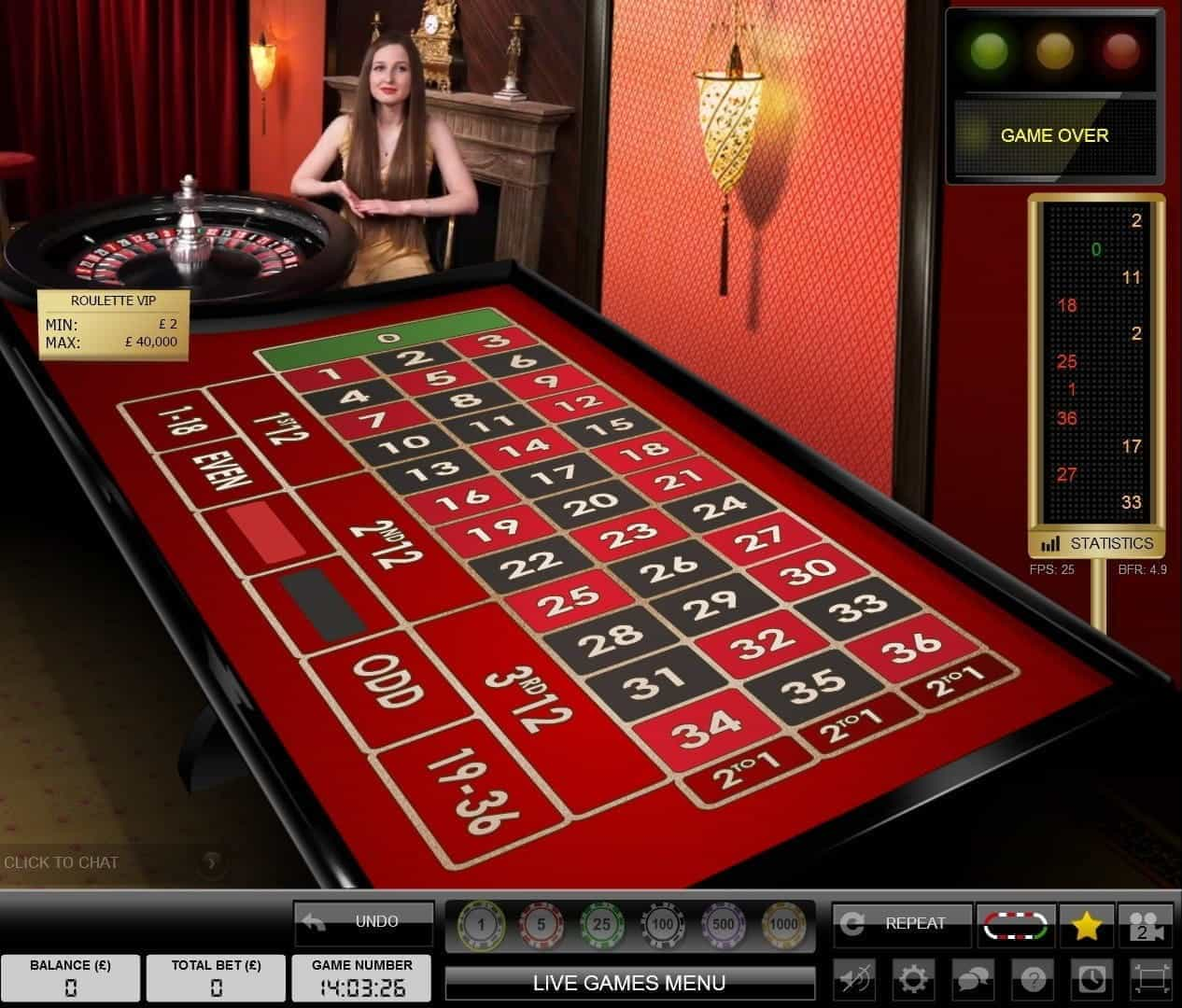
Table games like roulette and blackjack (the non-live RNG versions) were perfectly fluid. They rely on pre-rendered 2D graphics and straightforward animations that barely burden the connection. We measured an average round time of 3 seconds from spin to result, with zero glitches. Even the multi-hand blackjack variant, which handles several hands simultaneously, didn’t cause any frame drops. If you’re on a terrible connection, we’d recommend sticking to the RNG table games and using the live dealer section as an occasional treat when your signal briefly improves. You’ll still get the complete casino atmosphere without the bandwidth heartburn.
Visual Fidelity and Adaptive Streaming: What We Found
Chumba Casino lacks manual graphics settings, so we depended on its automatic adaptive streaming. On our 2Mbps connection, the platform started with low-resolution textures that looked slightly muddy on a 1080p screen. But within 10 seconds, it started layering in higher-quality assets, much like a JPEG being progressively refined. The final result was not exactly the crisp 4K experience you’d get on fibre, but it was completely usable and significantly improved than the pixelated mess we’ve seen on other social casinos. The adaptive engine appears to prioritize UI elements first: buttons, bet amounts, and balance displays were perfectly crisp even when the background art was still loading.
We tried on a larger monitor to see if the upscaling performed well. At 24 inches, the low-res textures were more visible, but the platform never fell into unreadable territory. Animations were seamless, and the colour palette remained vivid. It’s clear that Chumba Casino’s developers invested effort tuning the degradation curve so that even at the lowest quality tier, the games still look inviting. We’d love to see a manual “low bandwidth mode” toggle in the future, but for now, the automatic system does a commendable job of balancing visual fidelity with performance.
The way Chumba Casino Manages Low Bandwidth: Initial Thoughts
The reviewers launched the website with a mixture of excitement and dread. On a 2Mbps line, loading the page initially took about 8 seconds, a long time by today’s metrics but surprisingly snappy for a graphics-heavy casino lobby. The lobby thumbnails rendered in stages, starting with fuzzy placeholders that became sharp thumbnails after about 3 seconds. We didn’t encounter a single white screen of death or a hanging spinner, a feature that instantly distinguished Chumba Casino from competitors that struggle with the initial DNS resolution. Logging in was similarly trouble-free; the authentication worked without any timeout issues and the main game carousel populated with a full roster of slots, table games, and live dealer options. We prepared for the true challenge: starting a game.
- Lobby Loading Duration: 8 seconds on 2Mbps, with progressive image rendering.
- Authentication Process: No timeouts; authentication completed in under 4 seconds.
- Click-to-Play Time: Stampede Fury finished loading in 12 seconds, with audio assets.
The standout feature was the minimal preloading. Numerous sites attempt to push large amounts of data as soon as you arrive, which is a disaster on slow connections. Chumba Casino uses a measured approach, downloading only what is required for the current view. That meant we could scroll through the lobby without waiting for every single game icon to fully render. This minor design decision makes a huge difference on a slow connection.
FAQ
Can you play Chumba Casino on a 2Mbps connection?
Yes, we tried on a capped 2Mbps connection and the majority of slots appeared in 12–18 seconds with seamless gameplay. The platform’s streamlined design keeps data transfers minimal, so as long as your connection is stable, you can explore the complete catalogue. Live dealer games could be challenging a bit, stabilizing at a blurry but watchable 240p. For RNG table games and slots, it’s completely fine.
Does Chumba Casino use a lot of mobile data?
Chumba Casino is surprisingly gentle on data. In our 30-minute test, we burned around 48MB on slots and 35MB on table games. The platform streams assets progressively and won’t download massive files upfront. If you’re on a limited data plan, you can gamble without worrying about significant overages. We suggest using Wi-Fi when you can for the best experience, but mobile data works well.
Will games freeze if my Wi-Fi drops momentarily?
We evaluated intermittent disconnections on design, and Chumba Casino’s reconnection logic pleased us. Most games paused momentarily and then restarted right where they left off, no complete reload needed. Sometimes we observed a “reconnecting” spinner for a few seconds. It’s not flawless, but it’s a lot more lenient than many competitors. A 30-second outage will eventually time out, but your balance is safe.
Is it better on slow connections than other social casinos?
In our side-by-side tests, Chumba Casino consistently outperformed other social casinos on slow connections. The HTML5-based platform does not need heavy client downloads, and the game assets are tailored for low bandwidth. While some rivals hesitated or crashed, Chumba Casino held a playable frame rate. It’s evidently built with accessibility in mind, and data consumption is roughly half that of a standard browser-based competitor.
Must I use a VPN to access Chumba Casino from the UK?
No, you won’t need a VPN. Chumba Casino is fully accessible to UK players through its website, chumba.uk.com. The platform works legally as a social casino with sweepstakes promotions. Just confirm you’re on the proper UK-facing site, and you can gamble directly from your browser without any geo-restriction workarounds. Using a VPN might potentially add extra latency, so we’d recommend against it.