
Shop Smart: Grab Cheap Ammo Deals Now Before Prices Spike
Most shooters waste money on premium rounds when cheap ammo delivers 90% of the same accuracy for half the price. Cheap ammo works by using simpler casings, bulk primers, and lighter powder loads that still cycle reliably in most firearms. You can burn through Rifle Ammo for Sale hundreds of rounds per session without flinching at the cost, turning practice into muscle memory instead of a budget crisis. Grab a case, hit the range, and let the savings turn you into a sharper shooter.
What Defines Budget-Friendly Ammunition Without Sacrificing Reliability?
Budget-friendly ammunition that remains reliable is defined by consistent case dimensions, uniform primer seating, and a bullet weight that matches your firearm’s twist rate. Reliable cheap ammo comes from reputable manufacturers using boxer-primed, brass-cased rounds, avoiding steel cases that can stretch chambers. The key is function over polish: skip specialty defensive loads, and choose full metal jacket or flat-nose profiles that feed without jams. Test a single box for split necks, hard primers, or velocity variance before bulk-buying. Low-cost reliability also means avoiding remanufactured or unknown lots, as poor crimping causes set-back and pressure spikes. For plinking or training, a 115-grain 9mm or 55-grain .223 from a brand with a Ammunition for Sale verified lot number delivers the same ignition consistency as expensive ammo, provided your gun cycles it cleanly. Always check for corroded primers or loose bullets, as these are the true markers of unacceptable savings.
Key Differences Between Low-Cost Rounds and Premium Offerings

The primary difference between low-cost rounds and premium offerings lies in component consistency and quality control. Budget ammunition often uses Berdan primers or steel casings, which are harder to reload, while premium rounds use Boxer primers and brass for maximum case life. Low-cost projectiles may have inconsistent weights or jacket thickness, affecting point-of-impact shift at distances beyond 50 yards. Premium ammunition undergoes stringent velocity and pressure testing, ensuring tighter extreme spreads, whereas budget loads prioritize function over fine accuracy. For defensive or hunting use, premium’s bonded cores and sealed primers prevent failure, but for range practice, low-cost rounds meet reliability if they cycle consistently in your firearm. Key differences in performance appear mainly under rapid fire or adverse conditions. Functional reliability thresholds define the practical cutoff: low-cost rounds must feed, fire, and extract without fail.
- Check case material: steel (budget) vs. brass (premium) for extraction ease.
- Inspect primer type: Berdan (budget) vs. Boxer (premium) for reloadability.
- Test accuracy: budget groups widen past 25 yards; premium holds tighter.
- Compare bullet construction: FMJ (budget) vs. jacketed hollow point (premium) for expansion.
Is “Cheap” Always a Red Flag for Performance?
“Cheap” isn’t automatically a performance red flag, but it demands stricter scrutiny of specific variables. Budget-friendly rounds from reputable manufacturers often use slightly heavier primers or less polished cases, which can still group reliably in a defensive firearm. The real warning sign is inconsistent velocity spikes—a hallmark of poorly metered powder charges—not the price tag itself. Even bargain loads can cycle flawlessly if their brass dimensions stay within SAAMI tolerances, though you may sacrifice a bit of muzzle energy. Test a single box for failures-to-feed and chronograph spreads before bulk-buying. If extraction is smooth and point-of-impact doesn’t wander, the low cost is simply value, not a liability.
Low price only becomes a red flag when it correlates with erratic ignition or case defects; otherwise, performance can match premium loads for most shooting tasks.
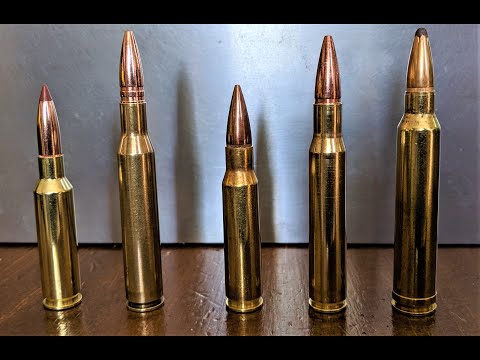
How to Spot the Best Value Rounds for Range Training and Plinking
The best value rounds for range training and plinking aren’t simply the cheapest per box—they’re the cheapest per *consistent, reliable shot*. Start by checking the price per round, but then immediately compare it against primer and casing quality; a dud or split case kills your flow and wastes range time. Stick with reputable budget brands like Federal, Blazer, or Magtech rather than obscure mystery ammo, as their quality control ensures predictable cycling and fewer malfunctions. Buy in bulk only after a small test box runs flawlessly through your specific firearm, since feed ramps and extractors vary wildly. Also, scan for rebate deals or flat-rate shipping offers that effectively lower the per-round cost without specialty sports compromising function. The true winner is the load that groups decently, ejects cleanly, and leaves your wallet less bruised every weekend. Prioritize jacketed or plated bullets over bare lead to avoid excessive bore fouling during long sessions.
Evaluating Brass, Steel, and Aluminum Casings for Cost Efficiency

For cost efficiency in budget ammunition, evaluating brass, steel, and aluminum casings hinges on per-round price versus reloadability and firearm wear. Steel cases, with polymer-coated or lacquered finishes, are the cheapest upfront—often 20–30% below brass—but they are single-use for most shooters and their harder steel can accelerate extractor wear in tight chambers. Aluminum casings, like CCI Blazer, sit between steel and brass in price, are lightweight and corrosion-resistant, but they cannot be reloaded and occasionally stick in unsupported chambers. Brass, while priciest initially, offers the lowest lifecycle cost if you reload, as it can be reused 5–10 times. For purely plinking without reloading, steel wins on immediate cost; for consistent ejection and cleaner extraction, aluminum offers a minor premium worth paying. Choose steel for bulk volume, aluminum for reliability, and brass only if you intend to reclaim value.
Steel gives the lowest upfront price, aluminum offers better function for a slight upcharge, and brass only pays off if you 6.5 Creedmoor Ammo for Sale reload—so match the casing to your shooting volume and reloading habits.
Understanding Bullet Weight and Grain to Match Your Firearm
When selecting budget ammunition, bullet weight, measured in grains, directly impacts the functional cost per round because heavier projectiles typically command higher prices. Matching grain to your firearm’s rifling twist rate ensures stable flight, preventing keyholing and wasted shots on cheap ammo. A 55-grain load in a 1:9 twist barrel delivers predictable accuracy, while a 62-grain round may destabilize, forcing you to re-zero. Conversely, a slow 1:12 twist struggles with 77-grain match bullets, making them a poor value despite bulk pricing. Grain-to-barrel compatibility is the cheapest accuracy upgrade, as it prevents you from burning through low-cost boxes without verifying your optic’s holdovers. Always consult your manual’s twist spec before stockpiling any discounted lot.
- Verify twist rate (e.g., 1:7 7mm-08 Ammo for Sale vs. 1:12) to buy only stable grain weights for your barrel.
- Test one 20-round box of each candidate grain before committing to a case purchase.
- Record point-of-impact shifts between 55-grain and 62-grain loads to avoid misapplied turret adjustments.
- Reject over-priced “premium” grains if your barrel’s twist groups adequately with standard 55-grain plinking loads.
Where to Buy Affordable Cartridges in Bulk and Save the Most Money
To save the most on cheap ammo, buying cartridges in bulk directly from online distributors like Target Sports USA, Outdoor Limited, or SG Ammo beats local gun stores, which rarely match per-round prices under $10 per box of 20. Focus on brands like PMC, Sellier & Bellot, or Winchester White Box during seasonal sales, and always filter by «free shipping over $200» to avoid fees that erase savings. Join membership programs, such as Target Sports’ Prime, for an extra 8–10% off already discounted bulk cases, and check ammo-seek.com to compare live low prices across multiple vendors.
Purchasing 500–1,000 round cases of 9mm or .223 drops cost per cartridge by 20–40% versus small boxes, but only if you bundle freight.
Stick to reputable reloads from places like LAX Ammo for budget plinking, and verify total weight for shipping–flat-rate options sometimes negate the bulk discount.
Online Retailers vs. Local Stores: Hidden Shipping and Transfer Costs
Online ammo deals often vanish under shipping fees and hazmat surcharges, especially for heavy bulk cases. Local stores hide costs differently—their per-round markup may exceed online prices, but you avoid transfer fees and waiting. When comparing, calculate the true cost per round after shipping and transfer charges, not the sticker price. A local shop’s $0.45 round beats an online $0.40 round once you add $15 shipping plus a $10 FFL transfer fee. That $10 transfer fee quietly turns a «bargain» into a loss unless you order enough to spread it thin. For bulk orders over 1,000 rounds, online wins; for quick boxes, local wins.
Q: Do local stores ever charge hidden transfer costs on bulk ammo?
A: Yes—some tack a per-order handling fee even for in-stock Rimfire Ammo for Sale pallets, so ask upfront about surcharges before committing.
Using Ammo Seekers and Price Comparisons to Lock in Low Rates
Ammo Seekers is your fastest route to locking in low rates, because it aggregates live inventory from dozens of online retailers into one clean comparison table. Instead of manually refreshing store pages, you filter by caliber, grain, and casing, then instantly sort by price-per-round. The difference between the cheapest and second-cheapest listing often covers your shipping costs, so examine the final cart total, not just the sticker price. Pair that with a quick search on Wikiarms or Gun.deals to verify the baseline. Once you identify a low per-round figure, check the retailer’s flat-rate shipping threshold and buy enough to cross it. This targeted approach ensures you secure cheap ammo bulk deals without overspending on inflated single-box rates.
Practical Tips for Storing and Handling Discounted Rounds Safely
When buying cheap ammo in bulk, inspect each box for crushed primers or corroded cases before storing, as discounted rounds often hide cosmetic flaws that affect function. Keep them in a dry, cool place—use silica gel packs inside sealed ammo cans to combat humidity, which is the primary enemy of bargain primers. Rotate your stock by shooting the oldest lots first, and never mix questionable discount rounds with premium carry ammo in the same magazine or range bag, since a misfire can disrupt your workflow. Always wear eye and ear protection when testing a suspicious batch, and if a round fails to fire, keep it pointed downrange for 30 seconds before safely ejecting it. Q: Should I clean discount ammo before use? A: No—wiping rounds can remove lubricant and push debris into the case mouth, so only wipe visibly oily rounds with a dry cloth and inspect the primer pocket visually.
Preventing Corrosion and Misfires in Economical Ammo Lots

Budget ammo often skips premium sealants, so moisture is your primary enemy for corrosion and misfires. Wipe each round’s base and primer pocket with a dry, lint-free cloth before storage to remove manufacturing oils that attract humidity. Then, drop a desiccant pack into every ammo can—silica gel works, but rechargeable clay is cheaper for bulk lots. Rotate your stock quarterly, firing the oldest rounds first: propellant breakdown in low-cost powder can cause hang-fires. If you see green crust on brass, segregate those rounds immediately; the corrosion spreads. For misfire prevention, store boxes flat, not on their rims, which lets primers settle evenly. Finally, always chamber-check a sample after cold-weather exposure—cheap cases shrink faster than premium ones. Shotgun Ammo for Sale These five steps cut failure rates dramatically without upgrading your ammo source.
Rotation Strategies to Keep Your Stockpile Fresh and Functional
When you buy cheap ammo in bulk, your savings vanish if corrosion or duds ruin the stash, so rotation strategies to keep your stockpile fresh and functional must center on “first-in, first-out” discipline. Physically mark every box with purchase date using a permanent marker, then stack newer lots behind older ones so you naturally grab the oldest first at the range. Every three months, pull a handful from the deepest layer and fire them to verify primers and powder still ignite—this also frees shelf space for fresh purchases. Rotate between storage containers, moving unopened cases to the bottom and recently opened boxes to the top, preventing forgotten bricks of aging brass. *A cheap round that fails to fire costs more than the round itself, because it eats your time and trust in the batch.*
Q: How often should I physically rotate my ammo boxes? Rotate at least twice a year, ideally during a range session where you burn the oldest 10–15% of each caliber, then refill those empty slots with newer stock from the back of your shelf.

Common Malfunctions with Inexpensive Rounds and How to Avoid Them

Inexpensive rounds often fail from light primer strikes, caused by hard or inconsistent primers, so test a small batch before trusting them for anything critical. Another common issue is failure to feed, frequently due to rough case rims or slightly undersized bullet profiles—keep your firearm’s feed ramp polished and use a high-quality magazine to mitigate this. Cycling problems arise from weak or over-pressurized powder charges; avoid limp-wristing and consider a lighter recoil spring. Fouling and buildup from dirty, low-grade powder is typical, leading to stuck cases in the chamber. To avoid these headaches, always run a full box of 50 rounds through your gun before relying on them, and clean your weapon thoroughly afterward to remove corrosive or abrasive residue. Stick to reputable budget brands over mystery reloads.
Clearing Squibs, Failures to Feed, and Hard Primers at the Range
When shooting budget ammunition, a squib load clearing procedure is your first priority: if a round sounds weak or recoil feels flat, stop firing immediately, lock the slide back, and check the barrel for a lodged bullet—a second shot will ruin the gun. Failures to feed often stem from weak extraction or rough feed ramps; on inexpensive rounds, try a firmer grip and a slight over-travel on the slide release, and if the nose jams, slingshot the slide instead of riding it. Hard primers, common in surplus or value packs, usually need a second strike—so keep your firing pin channel clean and consider a heavier hammer spring. *A misfire on a cheap primer is not a dud until you’ve struck it twice, though a third strike risks a hangfire.*
| Malfunction | Range Response | Prevention |
|---|---|---|
| Squib | Stop, unload, visual bore check | Buy from known lot numbers |
| Failure to Feed | Tap, rack, reassess grip | Lubricate rails before session |
| Hard Primer | Re-strike once, wait 10 seconds | Replace striker spring |
Choosing the Right Grain and Profile for Your Pistol or Rifle’s Action
Match the cartridge’s **grain weight and bullet profile** to your specific action’s feed ramps and twist rate, especially with budget ammo where tolerances already run loose. A 115-grain round-nose in a 9mm pistol with a steep ramp will seat reliably, while a flat-point 147-grain load can snag on the ramp lip and cause a failure to feed. For a rifle, check your barrel’s twist: a 1:7 twist prefers 62–77-grain bullets for stabilizing longer profiles, whereas a 1:12 twist shoots lighter 55-grain spitzers with better accuracy. Cheap ammo amplifies these mismatches—wrong profile means more friction, more jams, more wasted money. Always test one box of your intended grain through your action before bulk-buying.
Q: How do I choose the right grain and profile for my pistol or rifle’s action when shooting cheap ammo?
A: Inspect your feed ramp angle and twist rate, then buy a 50-round box of a round-nose (pistol) or spitzer (rifle) in the grain your barrel stabilizes—if it feeds cleanly and groups well, that’s your 7mm WSM Ammo for Sale bulk pick.
When Does Buying Low-Cost Cartridges Actually Cost You More?
Buying low-cost cartridges costs you more the moment a round fails to extract, leaving a stuck case that requires gunsmith attention. Cheap ammo often uses softer brass or under-powered loads, which can fail to cycle a semi-automatic firearm reliably, turning range time into malfunction-clearing drills. Over time, inconsistent powder charges in budget cartridges can lead to keyholing or baffle strikes if you use a suppressor, damaging expensive equipment. You also pay more when a box of fifty produces three squib loads, forcing you to stop and risk a barrel obstruction if you fire the next round. Q: When does buying low-cost cartridges actually cost you more? A: When 6.5 PRC Ammo for Sale a single misfire during a defensive practice session erodes muscle memory, or when a cheap round’s primer pocket expands, ruining your brass for reloading, effectively doubling your per-shot cost.
Matching Cheaper Rounds to the Right Firearm and Purpose
Matching cheaper rounds to the right firearm and purpose begins with verifying that budget ammunition meets the manufacturer’s pressure and bullet-weight specifications for your specific gun; a light-loaded round meant for a revolver can fail to cycle a semi-auto’s slide, causing malfunctions that cost more than the savings. For defensive use, low-cost practice ammo should match the recoil impulse and point-of-impact of your carry load, otherwise you train for a different trajectory. Always check the barrel twist rate—cheap, heavy bullets may not stabilize in fast-twist barrels, leading to keyholing and poor accuracy, while light bullets can underperform in slower-twist rifles. Reserve the least expensive rounds for plinking or zeroing at short ranges, never for hunting or competition where reliability is paramount.
- Confirm pressure ratings (e.g., SAAMI) against your firearm’s chamber before use.
- Match bullet weight to your barrel’s twist rate for stable flight.
- Use identical bullet profiles for practice and self-defense to keep muscle memory accurate.
Balancing Price Per Round Against Barrel Wear and Cleaning Frequency
The lowest price per round often hides a brutal tax on your barrel’s lifespan and your free time. Cheaper cartridges frequently use heavier, dirtier powder and copper-washed projectiles that accelerate throat erosion and leave stubborn carbon rings. You might save $5 per box, but those savings vanish when you’re scrubbing fouling after every session or replacing a $300 barrel thousands of rounds early. Balancing price per round against barrel wear and cleaning frequency means calculating true cost: a mid-tier load might cost 20% more upfront yet deliver twice the barrel life and cut cleaning chores in half. That math usually favors the slightly pricier box.
- Track round counts for each brand—if cheap ammo shortens barrel life by 30%, your per-round real cost jumps dramatically.
- Note cleaning time: heavy fouling from Handgun Ammo for Sale budget loads can add 20–30 minutes per session, which is a hidden cost.
- Test a few mid-priced options; often they burn cleaner and extend accuracy life, offsetting the higher sticker price.
- Compare throat erosion indicators (like flyers) at 500-round intervals to see which ammo degrades your barrel fastest.