

Choosing a casino for Sweet Bonanza should involve more than checking whether the reels load. The game itself has no independent player account, cashier or support desk, so account safety depends on the operator hosting it. A sweet bonanza demo can help you understand the game interface without using withdrawable funds, but it cannot confirm how a casino handles identity checks, passwords or personal information. Those questions require a separate review of the operator’s security practices and terms.
Start by separating the game from the casino account

The slot is supplied by Pragmatic Play, while the casino controls the relationship with the player. This distinction matters because registration, login, password recovery, account locking, payment verification and personal-data changes all belong to the operator. There is no separate game account to protect and no independent provider login that can replace the casino’s security procedures.
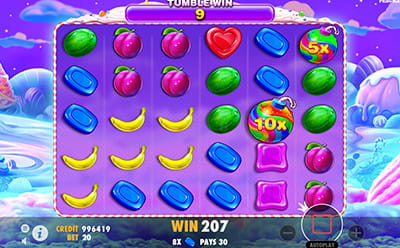
A demo mode normally uses virtual credits and does not require the same account process as real-money play. It can show how the 6×5 grid, Tumble feature, Scatter symbol and Free Spins round work. It cannot establish that a casino uses strong authentication, stores documents safely or responds effectively when an account is compromised.
Before creating an account, identify who is responsible for each service. The casino should be the named party handling registration, deposits, withdrawals, verification and support. If a website makes the provider appear responsible for cashier functions or account recovery, treat that presentation cautiously. Read the operator’s privacy, security, complaints and account-closure information before submitting personal details.
Which verification requests are reasonable?
Real-money casinos may ask for identity documents, proof of address and evidence that a payment method belongs to the account holder. These checks are generally handled by the casino rather than by the slot. A request for verification is not, by itself, evidence that something is wrong; it can be part of account protection and withdrawal controls.
What matters is how the request is made. A legitimate process should identify the documents required, explain where they should be uploaded and state how questions can be raised. Avoid sending identification through an unsolicited email, social-media message or unfamiliar file-sharing page. Use the account area or support channel named in the operator’s own terms, and check that the website address is correct before signing in.
Do not assume that a demo session, a successful first deposit or a visible game logo proves that an account is fully verified. Verification can occur during registration, when payment activity changes or before a withdrawal. Requirements may also differ by operator and province. The casino’s current terms are the relevant source, so save a copy of the stated process and keep records of any documents submitted.
Protect the login before opening the game
Use a unique password for the casino account rather than reusing one from email, banking or social media. A long passphrase is easier to manage than a short, complicated password that is used repeatedly. A password manager can generate and store different credentials, reducing the risk that one leaked password will expose several services.
Look for two-factor authentication or another additional sign-in control in the account settings. If available, enable it before playing with real money, not only after a security incident. Keep recovery email accounts protected as well, because access to an email inbox can sometimes allow an intruder to reset a casino password.
Use a personal device with current operating-system and browser updates. Avoid signing in on shared computers, unsecured public Wi-Fi or devices where browser extensions and saved passwords are outside your control. The Canadian Centre for Cyber Security’s online safety guidance offers general advice on stronger passwords, updates and account protection; it does not confirm the security of any particular casino.
Check the information shown before spending
Security also includes knowing what you are agreeing to. The casino’s terms should explain account eligibility, verification, deposits, withdrawals, complaints and responsible-gambling controls. Do not rely on a game page alone for these details. The slot does not set the operator’s payment limits, document rules, bonus conditions or account-recovery process.
Inside the game, open the information screen and check the rules for the loaded version. The published RTP can differ between configurations, and the operator may enable different stake ranges or features. Availability of options such as Ante Bet, Bonus Buy, Autoplay or Quick Spin can also vary by casino and jurisdiction. Treat the displayed information as specific to that installation rather than assuming every version is identical.
Promotional wording deserves separate attention. Free spins offered by a casino are not the same as the game’s built-in Free Spins feature. If an offer is involved, read its expiry date, wagering requirement, maximum-bet rule and withdrawal restrictions before accepting it. Never allow an attractive promotion to outweigh unclear identity checks, vague privacy terms or poor support information.
Use a practical decision process before real-money play
A short checklist can prevent the demo experience from being mistaken for an operator assessment. First, confirm the casino’s legal name and customer-support route. Next, read the account, privacy, verification and withdrawal terms. Then check whether security settings, session controls and account-closure procedures are explained clearly. If an important condition is difficult to find, ask support for a written answer before depositing.
Compare operators on transparency rather than on the loudest promotion. A suitable choice should make it clear who handles your data, what documents may be requested and how disputes are managed. It should also explain which payment methods, currencies and limits apply to your account. These details are operator-specific and should not be inferred from the availability of the slot in a Canadian-facing website.
Finally, keep your own records. Save the terms that applied when you registered, note support conversations and review account activity after each session. If you notice an unfamiliar login, changed contact information or an unexpected transaction, stop using the account and contact the operator through its verified support channel. A demo can help you decide whether the game suits your preferences, but careful account checks decide whether the casino deserves your information.
Questions readers often ask
Does demo play require identity verification?
Usually, demo access uses virtual credits and does not require the same registration process as real-money play. However, access rules are set by the website hosting the game. If an account is requested, review the operator’s privacy and verification terms before providing personal information.
Who handles a locked account or forgotten password?
The casino hosting the game handles password recovery, two-factor authentication, locked accounts and changes to personal details. The slot provider does not operate an independent player login. Use the operator’s official support or recovery process, and avoid sending credentials or identification to unsolicited contacts.
Can a demo prove that a casino is secure?
No. Demo play can demonstrate the game layout and features, but it cannot verify encryption, document handling, payment controls or customer support. Assess those areas through the operator’s terms, security settings and verified support channels before deciding whether real-money access is appropriate.